Sheet metal forming wrinkling deep drawing experimentation finite element method date received.
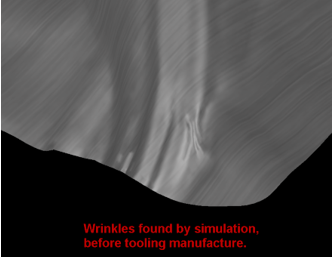
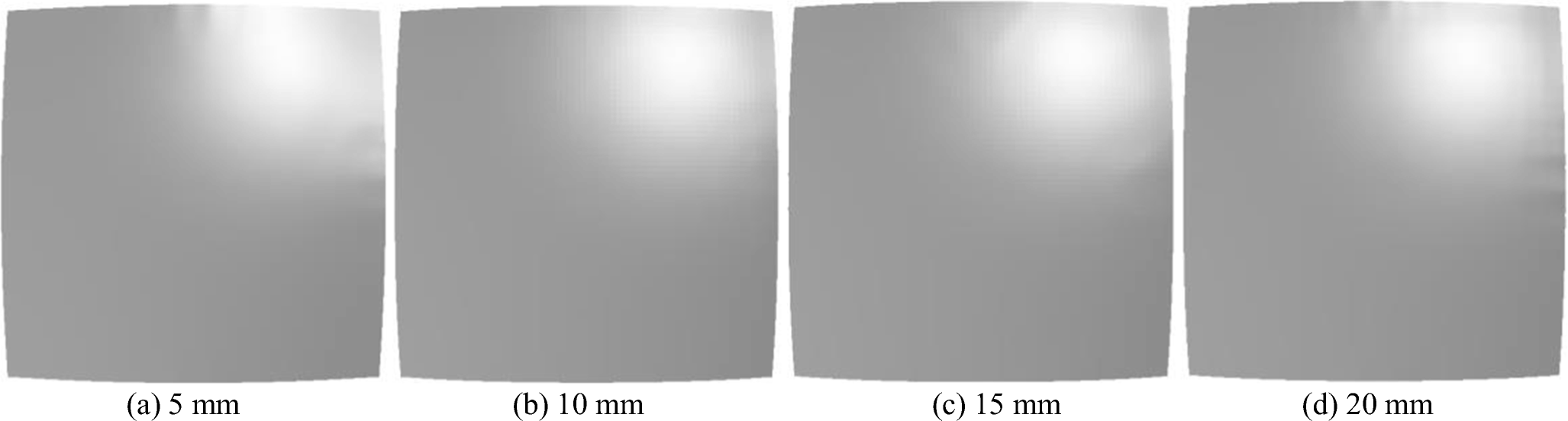
Wrinkle defect in sheet metal.
10 derived a wrinkling criterion for sheet metal with a normal constraint using the energy method and effectively predicted the onset of the wrinkling defect.
Thickness to diameter ratio is a main factor used to quantify the geometry of a blank and can be calculated by t d b.
During this process the blank sheet will develop defects if the process parameters are not selected properly.
Sheet metal thickness is an important aspect of deep drawing process design.
Phenomena of instability which appear during the process of deformation compression instability being one of them.
The greater the minimum half cone angle of the roller path the worse the formability of the sheet metal considering wrinkling defect.
The most common sheet metal stamping defects are also the easiest to predict using advanced simulation software such as autoform.
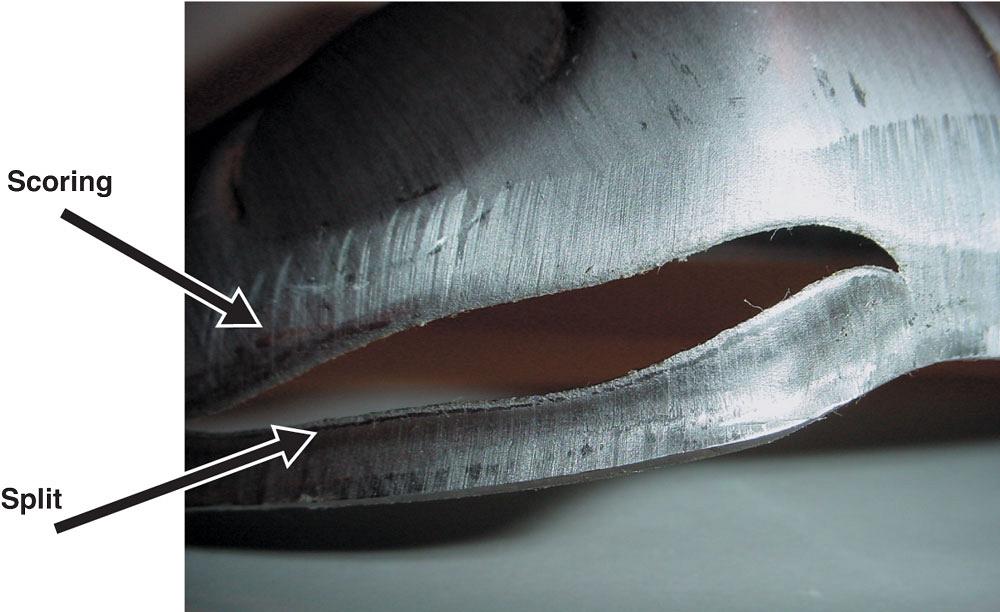
Failure of sheet metal parts during deep drawing processes usually takes place in the form of wrinkling or.
Excessive flow may lead to wrinkles 2 within the part.
In sheet metal forming a blank sheet is subjected to plastic deformation using forming tools to achieve the designed shape.
One of the primary defects that occurs in deep drawing operations is the wrinkling of sheet metal material generally in the wall or flange of the part.
This restraining action is largely applied through friction.
Among the limited publications of investigating formability of sheet metal considering wrinkling defect research efforts have mainly focused on the determination of sheet and tube bending formability.
The flange of the blank undergoes radial drawing stress and tangential compressive stress during the stamping process which sometimes results in wrinkles.
For noncircular sheet metal parts the maximum diameter is sometimes used.
Thickness is represented by t and d b is the diameter of the blank.
On the sheet supplies a blank holding force which controls the metal flow.